How Office Moving Companies in Lincolnton Help Businesses Complete Smooth and Organized Workplace Relocations
Relocating an office involves much more than transporting desks and boxes from one building to another. Businesses must coordinate employees, furniture, technology, documents, equipment, schedules, and building requirements while continuing to manage daily operations. Without proper organization, even a carefully planned move can create unnecessary delays and disruption.
Office moving companies in Lincolnton can help businesses approach workplace relocations with a structured plan. From preparing items for transportation to coordinating loading and unloading, experienced movers can support the physical side of the relocation while business leaders focus on maintaining productivity and preparing employees for the transition.
Understanding the Scope of an Office Relocation
Every office move has its own requirements. A small professional office may have only a few workstations and filing cabinets, while a larger company may need to relocate dozens of employees, computers, conference room furniture, storage systems, and specialized equipment.
Before moving begins, businesses can identify everything that needs to be transported, determine what will remain behind, and establish priorities. Creating an inventory helps prevent forgotten items and makes it easier to organize the move from beginning to end.
Creating a Detailed Moving Plan
A structured plan provides direction throughout the relocation. Businesses can establish important dates, assign responsibilities, determine packing requirements, and coordinate access to both the current and new offices.
Office moving companies in Lincolnton can contribute to this planning process by helping determine how furniture, boxes, technology, and other belongings should be prepared and moved. A detailed schedule can also help employees understand when their work areas will be packed and when they can begin using the new location.
Reducing Disruption to Daily Operations
Business productivity is an important consideration during an office move. Extended downtime can interfere with customer service, employee responsibilities, meetings, and internal operations.
Moving activities can often be scheduled outside peak business hours or divided into stages. By coordinating packing, transportation, and setup around the company's operating schedule, businesses can make the transition more manageable and reduce unnecessary interruptions.
Organizing Office Furniture
Office furniture can be among the largest and heaviest items involved in a workplace relocation. Desks, conference tables, chairs, shelving units, cabinets, and reception furniture require proper preparation before transportation.

Movers can organize furniture according to its destination and determine which pieces need to be disassembled. Labeling components and keeping related hardware together can make reassembly easier after everything reaches the new office.
Managing Computers and Technology
Modern businesses depend heavily on computers, monitors, printers, networking equipment, and other technology. These items require careful preparation because Lincolnton apartment movers damage or misplaced equipment can affect productivity after the move.
Businesses should coordinate with their technology staff or IT providers before moving equipment. Cables can be labeled, devices can be documented, and workstations can be organized according to their new locations. This preparation can make reconnecting equipment more efficient.
Protecting Important Documents
Offices often contain contracts, financial records, employee files, client information, reports, and other important documents. Keeping these materials organized throughout the relocation is essential.
Documents can be packed in clearly labeled containers according to department or function. Sensitive materials should be handled according to the company's internal security procedures, while an inventory can help confirm that important records arrive at the destination.
Improving Packing Efficiency
Packing an entire office can become time-consuming when employees approach the task without a consistent system. Establishing categories and labels helps create a more organized process.
Boxes can be marked with the department, employee, room, and general contents. Frequently used supplies should be separated from items that will not be needed immediately. This approach makes unloading and unpacking easier because movers can place items closer to their intended locations.
Coordinating Building Access
Office relocations often involve elevators, loading areas, parking restrictions, security procedures, and building access schedules. These details should be addressed before moving day rather than discovered during the relocation.
Businesses can communicate with property managers at both locations to confirm access requirements. If an elevator needs to be reserved or a loading area has specific restrictions, scheduling this in advance can help prevent avoidable delays.
Streamlining the Loading Process
Loading an office requires more planning than simply placing boxes into a moving vehicle. Furniture and equipment should be arranged strategically so that space is used effectively and belongings remain organized during transportation.
Items can be loaded according to their destination within the new office. Proper organization during this stage can make unloading faster and reduce the amount of time employees spend searching for specific furniture, equipment, or supplies.
Planning Transportation Carefully
Transportation is another important part of a workplace relocation. The number and type of vehicles required can depend on the volume of office belongings, the distance between locations, and the size of the furniture and equipment being moved.
A coordinated transportation plan helps businesses understand how belongings will move from the existing workplace to the new location. Timing should also account for traffic, building access, and the company's preferred moving schedule.
Organizing the New Workplace
Arriving at the new office is only one stage of the relocation. Once belongings are unloaded, they need to be positioned correctly so employees can begin setting up their work areas.
A floor plan can provide useful guidance during unloading. Desks, chairs, cabinets, conference furniture, and labeled boxes can be directed to their designated rooms. This reduces unnecessary movement and makes the setup process more organized.
Supporting Employees During the Move
Employees play an important role in a successful office relocation. Management can provide clear instructions about packing personal work items, labeling boxes, preparing desks, and protecting important materials.
Clear communication also helps employees understand when they should stop using their existing workstations and when they can begin working from the new location. A simple moving checklist for each department can help keep responsibilities clear.

Handling Specialized Office Equipment
Some businesses have equipment that requires additional preparation because of its size, weight, construction, or sensitivity. Examples may include large printers, laboratory-related equipment, specialized machinery, commercial storage systems, and other workplace assets.
These items should be identified early in the planning process. Their dimensions, handling requirements, destination, and installation needs can be considered before moving day so they do not create unexpected obstacles.
Using Temporary Storage When Necessary
Not every business can move directly from one fully prepared location to another. Construction delays, lease timing, renovations, or changes to the new workspace may create a temporary need for storage.
When storage becomes part of the relocation plan, businesses can separate items that are needed immediately from those that can remain stored. Clear labeling and inventory records can make retrieving stored belongings easier when they are eventually needed.
Maintaining Communication Throughout the Relocation
Communication helps keep a business move organized. Managers, employees, building representatives, IT teams, and movers may all have different responsibilities during the relocation.
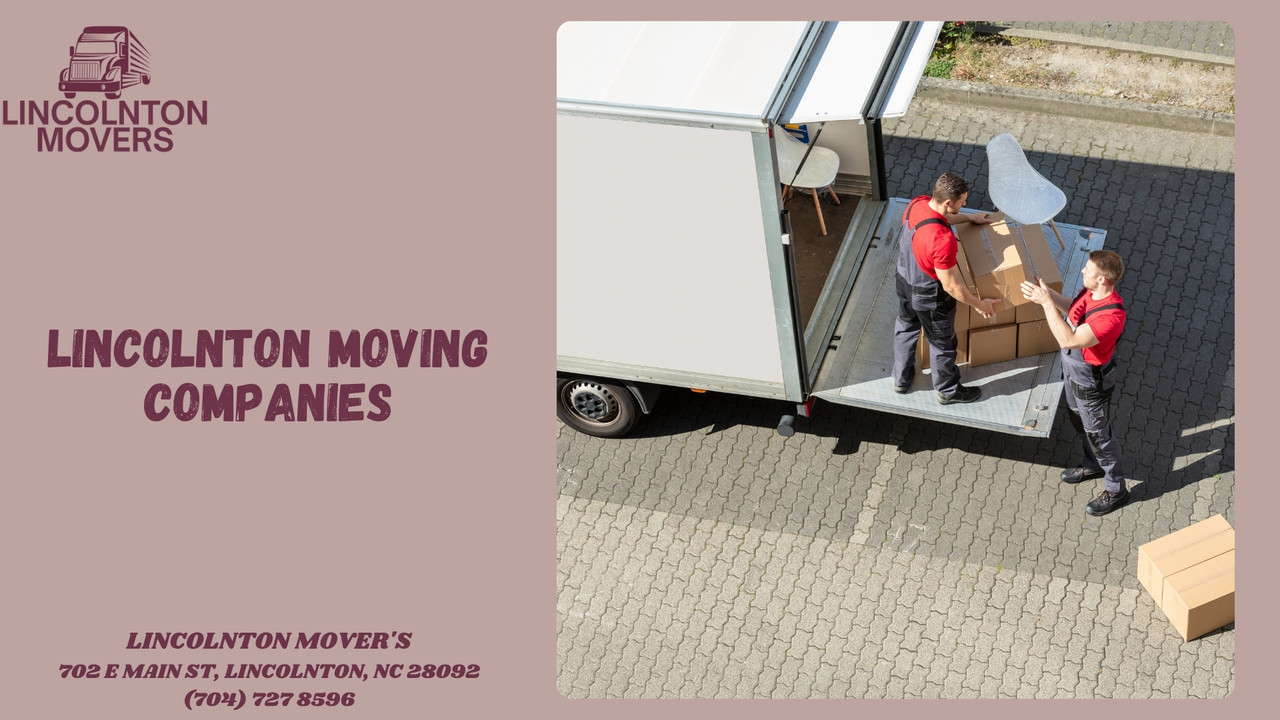
Regular updates can help everyone understand the schedule and identify changes before they become larger problems. If a delivery time, building access arrangement, or office layout changes, communicating that information quickly allows the moving plan to be adjusted.
Preparing for the First Day in the New Office
The first working day should be considered when planning the move. Employees need access to essential equipment, documents, supplies, workstations, and communication systems.
Businesses can prepare an essentials list containing the items required immediately after arrival. Keeping critical supplies accessible can help employees resume normal responsibilities without waiting for every box to be unpacked.
Why Early Preparation Matters
Starting the planning process early gives businesses more time to identify potential challenges. It allows management to review inventory, communicate with employees, coordinate building requirements, arrange technology preparation, and establish a realistic moving schedule.
Last-minute decisions can create unnecessary pressure. Early preparation gives office moving companies in Lincolnton and business teams more opportunity to coordinate the physical relocation with the company's operational requirements.
Choosing the Right Moving Support
Businesses should consider their specific relocation requirements when selecting office moving support. Factors such as the size of the office, type of equipment, moving distance, schedule, packing needs, and building conditions can influence the type of assistance required.
A moving company that understands commercial relocation processes can help businesses organize the physical aspects of the move. Clear communication about services, schedules, responsibilities, and moving requirements can also establish better expectations before the relocation begins.
Conclusion
Office relocations require careful coordination because businesses must move valuable belongings while maintaining as much productivity as possible. Furniture, technology, documents, equipment, employees, transportation, and building access all need to be considered as part of one organized process.
Office moving companies in Lincolnton can help businesses manage these physical relocation tasks through structured planning, careful handling, organized transportation, and coordinated unloading. With early preparation and clear communication, companies can create a smoother transition and begin operating in their new workplace with greater organization and fewer avoidable disruptions.
Contact Us:
Lincolnton Mover's
702 E Main St, Lincolnton, NC 28092
(704) 727 8596